
A Man Who Lived Through It All
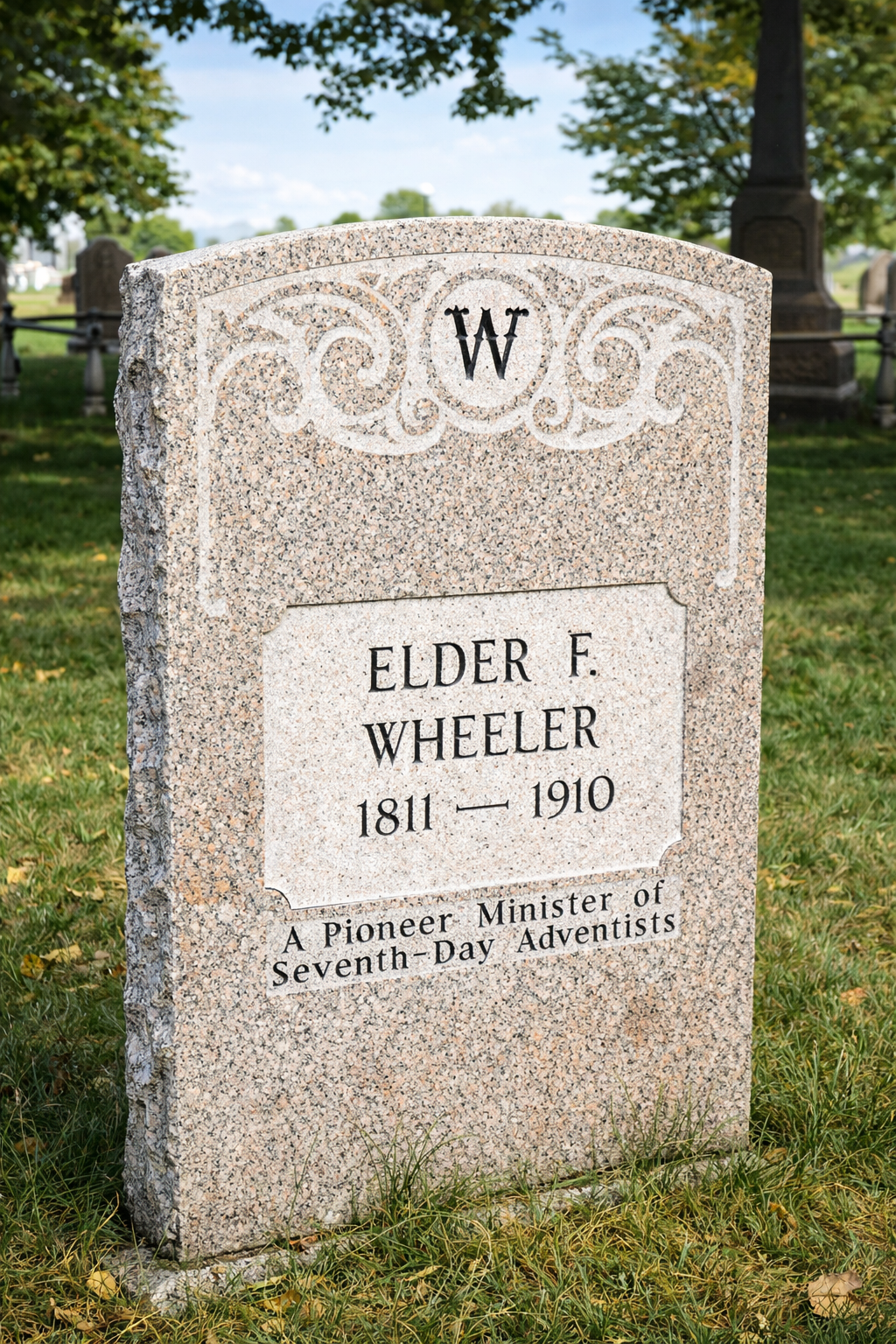
Frederick Wheeler was not merely an early Adventist preacher—he was a man whose life spanned the full arc of a movement.
Born in 1811, he lived to see:
- a scattered revival
- a named people
- an organized body
- and finally, apostate Adventist structured legal institutions
👉 See the full timeline:
April 15, 1904 — New Organization
He died in 1910 at age 99—having witnessed everything.
The Constitutional Boundary
The United States established a clear line:
“Congress shall make no law respecting an establishment of religion, or prohibiting the free exercise thereof…”
This created two protections:
- No state religion
- No state control over religion
👉 Study religious liberty:
➡️ https://sundaylaw.com/religious-liberty
Why the Pilgrims Came
The Mayflower Pilgrims fled systems where:
- religion was enforced by law
- church and state were intertwined
They came seeking:
👉 freedom of conscience
👉 separation from civil control
This is the soil the Advent movement later grew in.
From Methodist Minister to Sabbath Pioneer
Ordained in 1840, Wheeler accepted William Miller’s message by 1842.
Then came the defining moment:
Rachel Oakes Preston challenged him on the Sabbath.
He studied, accepted, and became:
👉 the first ordained Adventist minister to preach the seventh-day Sabbath
1860 — A Name Only
The believers chose the name:
Seventh-day Adventist
👉 Seventh-day Adventist Name History
No corporation.
No legal entity.
Just identity.
1863 — Organization for Mission
The General Conference formed.
👉 https://sundaylaw.com/prophecy-explained
Purpose:
- coordinate mission
- spread the message
Still NOT a corporate system tied to the state.
A Lifetime of Labor
Wheeler worked as a farmer-preacher:
👉 https://sundaylaw.com/pioneer-books
👉 https://sundaylaw.com/library
He endured:
- the Great Disappointment
- doctrinal conflict
- organizational struggles
And remained steady.
1887 — The Legal Shift Begins
A legal body appears:
General Conference Association of the Seventh-day Adventists
👉 Full breakdown:
➡️ https://sundaylaw.com/apostasy/corporations/
This introduced:
- property control
- legal standing
- corporate structure
👉 Explore deeper:
➡️ https://sundaylaw.com/apostasy/
1904 — The Washington D.C. Corporation
April 15, 1904:
General Conference Corporation of Seventh-day Adventists
👉 DOCUMENT EVIDENCE:
➡️ https://sundaylaw.com/april-15-1904-new-organization
👉 See the actual signers:
➡️ https://sundaylaw.com/1904-signers
Including:
👉 https://sundaylaw.com/pioneers/arthur-grosvenor-daniells
This formalized:
- national legal structure
- centralized authority
- civil corporate recognition
What Changed?
Wheeler lived through ALL phases:
Movement (1840s)
- no structure
- no legal identity
Identity (1860)
- name adopted
Mission Organization (1863)
- structured coordination
Legal Structure (1887)
- corporate layer begins
Full Incorporation (1904)
- formal legal entity
The Question That Remains
The Constitution protects religion FROM the state.
Yet incorporation brings interaction WITH the state.
👉 Study this tension:
➡️ https://sundaylaw.com/religious-liberty
➡️ https://sundaylaw.com/apostasy/
This is not just history.
It is an ongoing question.
Final Years
Wheeler lived to 99.
Ellen White called him one of the:
“old standard-bearers”
He saw the rise… and the transformation.
Why His Life Matters
Frederick Wheeler is a living timeline:
👉 beginning
➡️ organization
➡️ structure
➡️ institution
👉 Continue deeper study:
➡️ https://sundaylaw.com/loud-cry
➡️ https://sundaylaw.com/books/charles-fitch